
Avada includes a blog shortcode you can use anywhere on the site!
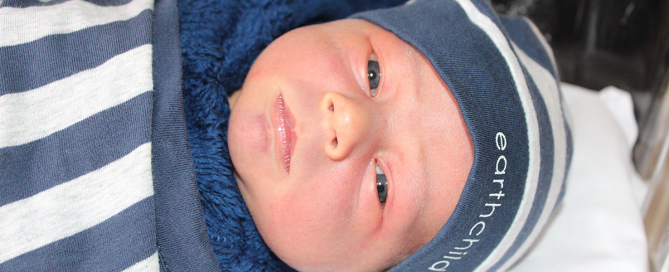
Welcome Owen Callum Peacock
Today is your birthday - welcome to the World, Son! This is a strange but wondrous place, and you will have so much fun exploring it, meeting all the thousands of species that inhabit it, and discovering their secrets. I suggest that you start by getting to know doves and pigeons, some of the most awesome birds out there. So much so, that your Mom and I decided to name you after them!
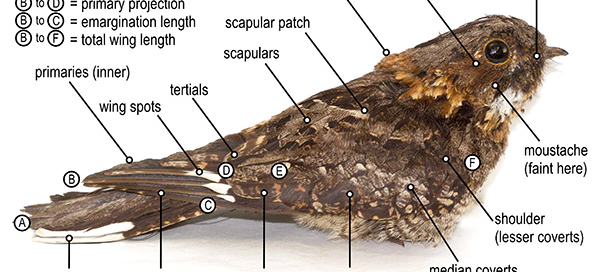
Shot in the dark: field ID of nightjars
Nightjars are astonishingly cryptic birds - and differentiating the various species can be a nightmare. Is is possible to confidently identify a nightjar to species-level without hearing it call or capturing and measuring it? You betcha! I promise that if you can summon the mental energy to wade through this technical article - the older brother of the piece that appeared in the Jul/Aug 2015 edition of African Birdlife magazine - you'll be a nightjar fundi!
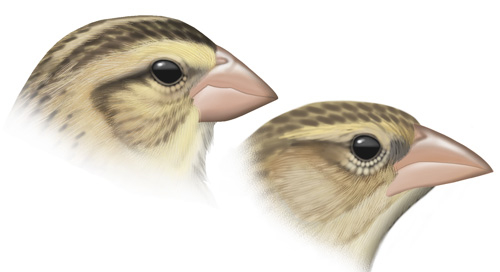


The Cuckoo Finch: deceiving birds & birders alike
The parasitic Cuckoo Finch has a talent for deceiving its cisticola hosts - through mimicry of their egg colours and patterns. However, adult female Cuckoo Finches closely resemble female bishops and widowbirds. Could it be that this is also a form of mimicry? Could hiding in plain sight allow broody female cuckoo finches to infiltrate prinia nesting territories undetected? Some inspired research from a team in Zambia suggests this is indeed the case.